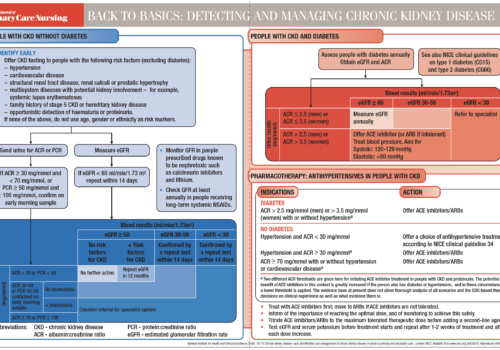
Back to Basics: Making sense of peripheral arterial disease (PAD)
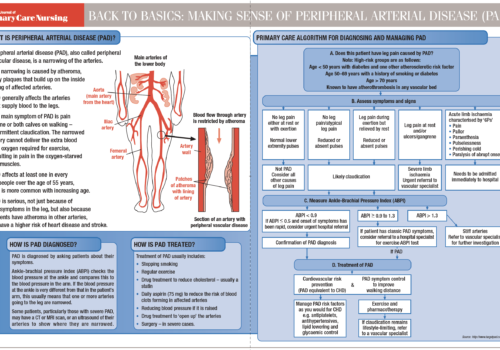
Back to Basics: Chronic kidney disease
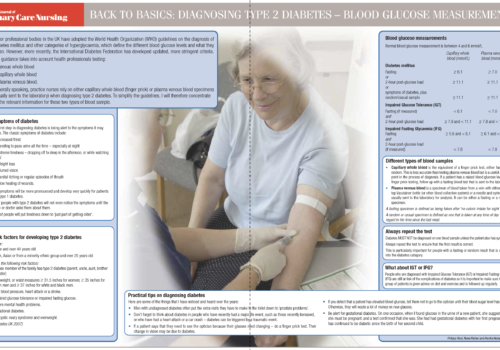
Back to Basics: Diagnosing type 2 diabetes – blood glucose measurements
Back to Basics: Choices in smoking cessation pharmacotherapy

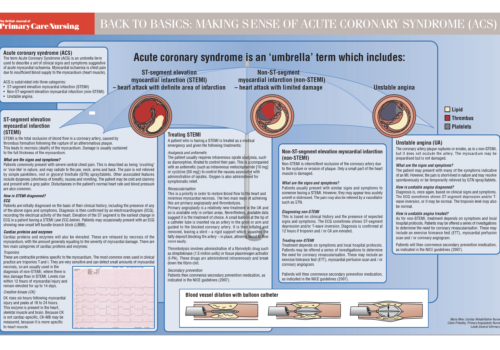
Back to Basics: Making sense of acute coronary syndrome (ACS)
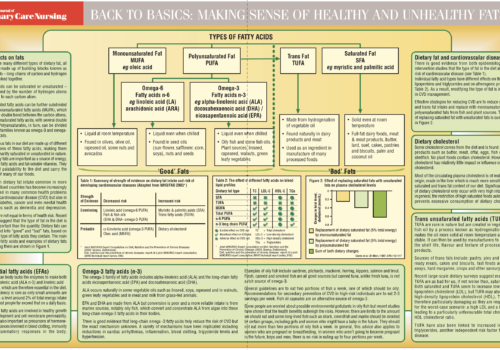
Back To Basics: Making sense of healthy and unhealthy fats
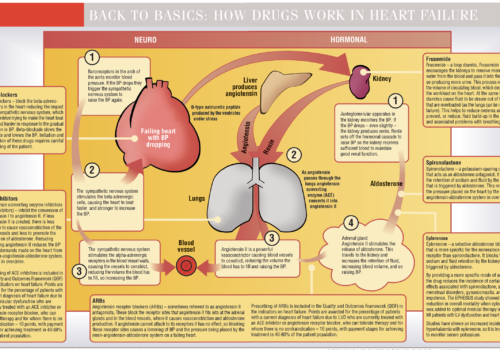
Back to Basics: How drugs work in heart failure
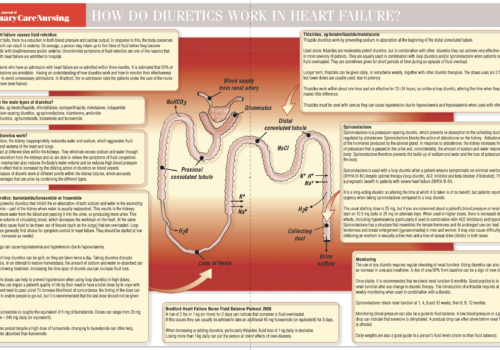
Back to Basics: How do diuretics work in heart failure
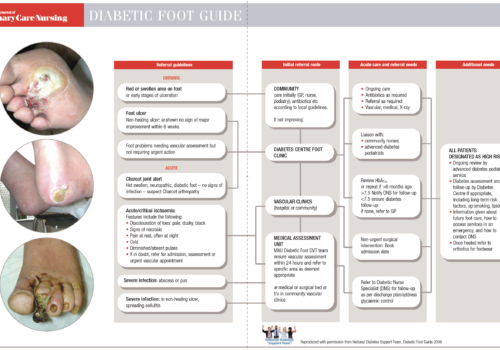
Back to Basics: Diabetic foot guide
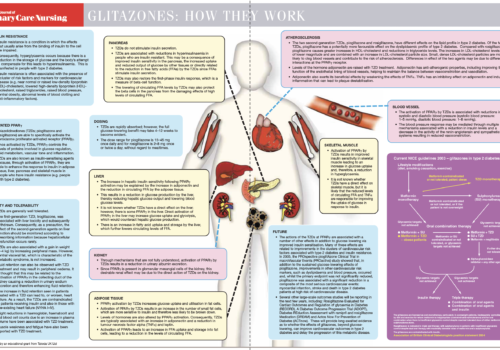
Back to Basics: Glitazones: how they work
Back to Basics: Calculating cardiovascular risk: ‘How To’ guide for the new British Guidelines

Calculating cardiovascular risk is at the heart of primary prevention – it gives us a practical way of assessing who we should be targeting with lifestyle changes and drug treatment to reduce the chance of them suffering a heart attack or stroke in the future. The new Joint British Guidelines make it very clear who we should be screening for CVD and how to calculate their risk.