
We are about to hit the festive season, but it is also a time when many
people reflect on the past year and make plans for the next – including
thinking about giving up smoking. In this issue we reflect on the impact of
the smoking ban in the UK. Hilary Wareing and Nina Gotz from the Tobacco
Control Collaborating Centre show how there have been significant benefits
in terms of air quality and increased numbers of quitters since the
smokefree legislation came into force between March 2006 and July 2007.
This has been a significant step forward in improving public health, and
provides a foundation to encourage more of your patients to quit.
What is Bronchiectasis?
Bronchiectasis is characterised by abnormal, permanent distortion and dilation of one or more of the medium-sized bronchi (>2 mm). It occurs most commonly as a consequence of infection or inflammation. Although relatively uncommon, bronchiectasis is an important and probably under-diagnosed condition and it often coexists with COPD. Accurate diagnosis and appropriate management are needed to reduce the symptoms that patients experience. Primary care professionals need to be alert to the signs and symptoms of bronchiectasis to ensure quick referral to specialist services.
The Evaluation and Management of Cough in Adults
Cough as a symptom results in significant impairment of quality of life for patients. Its
wide and varied causes and presentations make diagnosis and management complex.
Many sets of guidelines have been produced to help clinicians in the evaluation and
management of acute and chronic cough. This article uses the British Thoracic Society
(2006) guidelines to provide a summary of the evaluation and management of cough.
Respiratory causes of breathlessness
The development of shortness of breath (SOB) is an expected outcome of overexertion,
as normally occurs after strenuous exercise. SOB occurring at rest or during marginal
exertion is considered abnormal. Multiple organ systems are involved in the differential
diagnosis of SOB but for the purpose of this article, we concentrate on the pulmonary
system and include chronic obstructive pulmonary disease (COPD), asthma, pneumonia,
pneumothorax, interstitial lung disease, lung cancer and dysfunctional breathlessness. This is
the second in a series of three articles focusing on diagnosis of the breathless patient.
How to write a business case
Skills in developing a business case may at first seem to be something far removed from
what a nurse would need. After all we are clinicians, we do the clinical things and
managers do things like business cases. How wrong could you be? This article shows
just how important business planning can be to both nurses and our patients.
Editorial: BJPCN End Of Year
As we reach the end of the year, BJPCN looks back at the challenges that
have been met in the care of patients with respiratory and allergic disease
over the past few years and looks forward to the new situations we will
have to face in the coming year. I have really enjoyed launching this
exciting journal and wish Monica Fletcher, Chief Executive of Education for Health, the very best as she takes on the editor’s role from the next issue.
The Use of Pulse Oximetry in Primary Care
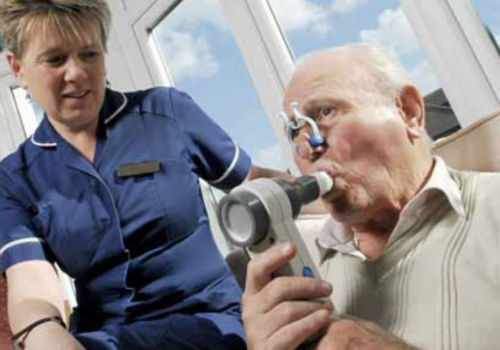
Pulse oximetry is now in common use in all healthcare settings. Until recently regarded as a secondary care device, the pulse oximeter is now routinely used in primary care, both in the general practice surgery and in the community. It can be useful in initial assessment, ongoing monitoring, and in both acute and chronic clinical situations. This article examines the how, when, what and why of pulse oximetry.
Why Optimise Inhaler Technique in Asthma and COPD?
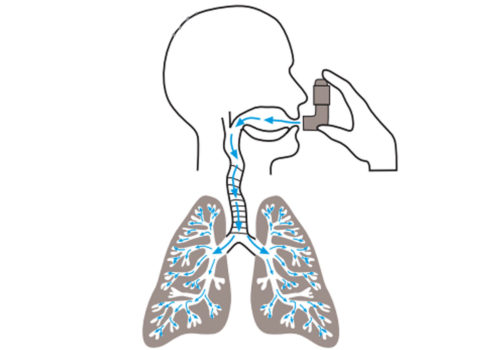
Asthma UK estimates that 2.1 million patients in the UK are suffering unnecessarily because
they do not use their asthma treatment effectively. This article looks at how inhaled
therapies are deposited in the lungs, and at the basic differences between inhalers – with
a focus on optimising inhaler technique.
The effects of the weather on COPD
Those of us working with patients suffering from COPD know anecdotally that cold
weather directly impacts exacerbation rates and hospital admissions in the same way
as thunderstorms affect those with asthma (see BJPCN Vol 1, Issue 2, March 2007).
This article explores the links between COPD and weather patterns. You may not want
to be thinking about the winter but action now should give time to put preventive systems in
place to help at-risk patients before the cold weather appears again.
Representative sampling – take your pick
How to Treat Winter Coughs and Colds
The number of respiratory consultations in primary care increases in the winter months.
We see more patients with acute exacerbations of their underlying respiratory condition,
such as asthma or chronic obstructive pulmonary disease (COPD) caused by the cold
weather and the increased number of viruses and airborne infections that occur at this
time of year. So what advice should we give to patients with cold and flu-type symptoms during
the winter? And is the approach we take with respiratory patients in any way different from the
approach taken with otherwise healthy individuals?
Editorial Summer
Summer is here and time for a new issue of the BJPCN – packed full of
useful information and news from the respiratory and allergy world.
We cover a lot of different topics in the main articles this month – from
pleural effusions to angioedema, from asbestosis to urticaria. A scan
through the summaries of the latest research in the Evidence in Practice
section will reveal interesting studies with dogs, trees and alcohol! Have
a great read.