
Troponins are now measured routinely in patients with acute chest pain in most hospitals in the UK. Studies have confirmed that they represent a marker of risk for subsequent cardiac events in most patients. In this article we explore what troponins are, why they may increase in acute coronary syndromes, how they are measured and how likely they are to be used in the future.
A survey of GPs’ views on clinical and cost issues in prescribing statins
Statin therapy for secondary prevention of coronary heart disease: an update
Optimising use of statins in clinical practice: how to achieve the best clinical outcomes for every patient
Riding the tide
Using troponins to assess cardiac damage: Getting to the heart of the matter
Optimising Management of Supraventricular Arrhythmias
Caring for patients with arrhythmias has evolved over the past decade as a result of technological innovation in both diagnosis and treatment. This article highlights some of the most common arrhythmias and reviews the most appropriate strategies for their medical management. The National Service Framework (NSF) for Coronary Heart Disease (CHD) sets out three quality standards in the chapter on arrhythmias and sudden cardiac death and we look at how to successfully implement these.
Starting an a Beta-Blocker for your Heart Problem
Editorial
We hope this issue of BJPCN is like an Easter egg – bright and appealing on the outside, with useful articles building a solid structure that you can really get your teeth into and lots of extra chocolates inside to sustain you over the next few weeks.
Impaired Fasting Glycaemia and Impaired Glucose Tolerance: Reducing Progression
The journey from normal glycaemic control to type 2 diabetes is a gradual one and, importantly, gives us lots of opportunities to diagnose so-called ‘pre-diabetes’ and step in to reduce the chances of a patient developing full-blown diabetes, or at least delay its onset. In this article, we review the rationale for early intervention, help you make sense of impaired fasting glycaemia and impaired glucose tolerance and illustrate what to look out for with case studies of patients you are likely to see in your practice.
“You Will Need to Stop Driving.” Chronic Disease, Driving and the Law
Telling a patient that they will have to stop driving can be difficult, so it is essential to be sure of the facts on the law regulating driving and chronic disease. When asked what they know about chronic disease and stopping driving, many people may know that epilepsy is an issue, and may mention diabetes. But are driving restrictions for one year, or is it three years? Do they affect only patients with diabetes on insulin, and are some regulations only for heavy goods vehicle (HGV) drivers? In this article, we give you the information to answer these questions.
The Metabolic Syndrome: Pie in the Sky or Major New Disease?
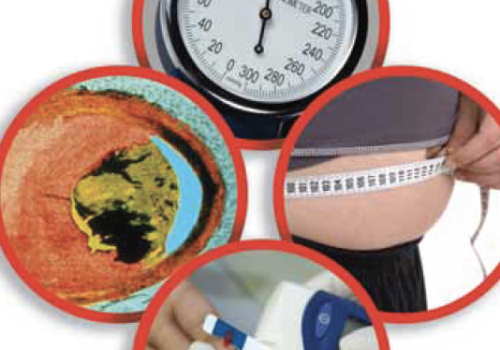
The metabolic syndrome is a bit like smoothie makers. Everyone’s heard of them, many people seem to have them, but no-one is quite sure what to do with them. So let’s have a look at how the metabolic syndrome came to enter our vocabulary, what it really means and whether it is something that could help us to look after our patients better or just another cumbersome tool that produces a lot of heat but no light.