Breathlessness is a very common problem in the patients we see in general practice, and
there is a range of possible causes. In this article – the first in a series of three looking
at how to diagnose what’s wrong with a breathless patient – we explore how to
distinguish between two of the commonest respiratory causes of breathlessness,
asthma and chronic obstructive pulmonary disease.
The 30-second intervention for smoking cessation
Primary healthcare staff are in an influential position when it comes to helping people to
stop smoking. They clearly understand the dangers of smoking and have access to
excellent smoking cessation services. In addition, the recent public smoking legislation
has given many smokers added motivation to stop (See Prevention in Practice, BJPCN
December 2008). However, there is much still to be done. This article recommends an easy and
effective brief intervention for primary healthcare professionals to help patients towards the
most effective way to stop – support and pharmacotherapy.
Still a breath of fresh air: 20th anniversary for the General Practice Airways Group (GPIAG)
The BJPCN interviewed Dr Steve Holmes (Chairman of the GPIAG) and
Stephanie Wolf (GPIAG General Committee member) on the 20th anniversary
of the organisation.
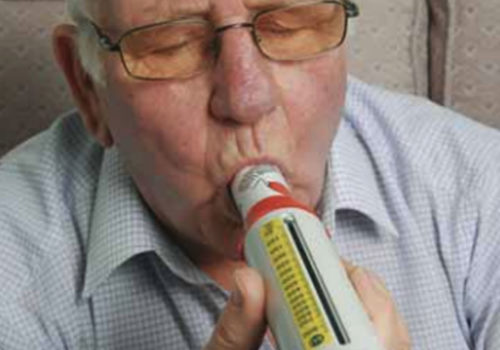
Spirometers in primary care: uses and limitations
Modern medical practice emphasises the use of objective measurements and
evidence. Nobody would diagnose hypertension without measuring the blood
pressure, or manage diabetes without measuring blood sugar and glycated
haemoglobin. Yet it is only relatively recently that any lung function
measurements to support diagnosis and guide management of respiratory disease were
undertaken in primary care.
Sexual relationships, breathlessness and the respiratory patient

The rising incidence of a range of respiratory disorders means an increasing emphasis
on treatment, management and care. Although some respiratory diseases are acute,
many are chronic, bringing with them a burden of morbidity affecting patients in many
areas of everyday life. One area of concern for patients may be sexual functioning so
somewhere in the process of management and care the practice nurse may need to address the
issues of sexuality (Petty 1986, Kaptein et al. 2008).
Seven Steps to a Successful Flu Vaccination Campaign
Planning a flu vaccination campaign during the autumn is always a difficult concept to
take on board. But, from experience, the earlier you plan a campaign, the more
successful it will be. Adequate planning and organisation will ease the pressure on all
members of the team during a very busy period. It will also ensure that all patients in
the ‘at risk’ groups are vaccinated and targets achieved. This article gives seven easy steps for a
stress-free flu vaccination campaign.
Self-Management in Asthma
Good self-management is obviously a central part of achieving effective control of any
chronic condition. It is particularly important in asthma to help patients manage
exacerbations, which can sometimes develop with little warning and with serious
consequences. This article provides a step-by-step guide to developing effective selfmanagement
plans for patients with asthma by providing practical solutions to key questions
underpinning the process.
Selecting the correct over-the-counter medicines for hayfever
Hayfever, or seasonal allergic rhinitis, is a condition that patients often present with to their
pharmacist. However, unlike most minor ailments, hayfever is a persistent and recurrent
condition which can have a significant negative impact on quality of life.1 As such, the
correct diagnosis and product selection is essential. The variety of preparations available for the
treatment of hayfever, both over-the-counter (OTC) and on prescription, was discussed in detail in
an earlier edition of BJPCN.2 This article will focus on the options available to community
pharmacists for OTC treatment of hayfever.
Scoring Top QOF Points for COPD
Scoring top marks for smoking cessation

This year, as 1 July and ‘no smoking in public places’ approaches in England, many more
patients will want help to stop smoking. Practices in Scotland and Wales are already
facing this challenge. How do we optimise the smoking cessation advice we offer at the
same time as juggling the many other responsibilities we have? In this article, we look at
how to score top marks for Quality and Outcomes Framework (QOF) indicators on smoking
cessation – recording information and offering advice that will help patients to quit as well as
gaining extra payments for our practices.
Rhinitis: Successful Diagnosis and Management
Runny, blocked noses are a common problem in the winter months, accounting for a
substantial number of general practice consultations. Successful treatment depends
on identifying the correct cause of the symptoms. In this article we give you key
information on rhinitis – what it is, how to diagnose it and how to treat it successfully.
Respiratory Infections: How to Minimise the Impact
Accurate diagnosis of respiratory tract infection can be difficult in primary care,
particularly in older patients. Time constraints meaning that most consultations allow
less than six minutes to deal with patients’ clinical problems – with much of the time
devoted to achieving political and financially driven targets – can make it even more
difficult. In this article, we provide practical tips on how to recognise and treat common
respiratory infections.