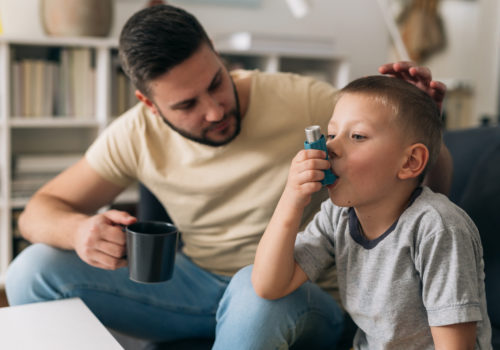
Asthma medications should routinely be delivered by a pressurised metered dose inhaler
(pMDI) and spacer system, with a facemask where necessary, in children under five,
according to the National Institute for Health and Clinical Excellence (NICE).1
For older children, aged 5-15 years, NICE has advised that a child’s therapeutic needs,
the ability to develop and maintain an effective technique, the suitability of a device for the
child’s and carer’s lifestyles (ie portability and convenience) and the likelihood of good
compliance are the factors that should govern the choice of device.2 Only once these factors
have been taken into account, should choice be made on the basis of cost minimisation.
Food Allergy in Childhood
Milk, eggs and peanuts are the most common foods causing allergy in early childhood.
The prevalence of these allergies is on the increase. A thorough clinical history
together with an allergy test allows for a clear diagnosis and implementation of a
comprehensive management plan. This article outlines some of the key features in
diagnosing and managing childhood allergies.
Exercise in chronic lung disease
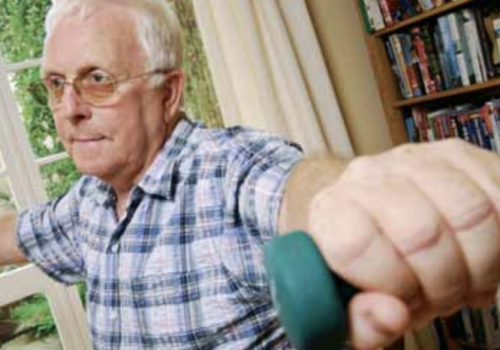
Chronic obstructive pulmonary disease (COPD) is the term used to describe a range of
chronic chest conditions, including chronic bronchitis and emphysema. COPD is
characterised by permanent damage to the lungs and as the condition develops, people
experience increasing breathlessness, to the point where even everyday activities such
as getting dressed or walking up stairs become difficult. This article describes the impact of
COPD, explores the value of exercise in COPD management and discusses possible reasons for its
widespread under-use as effective symptom control.
Editorial: Winter, respiratory infections and COPD
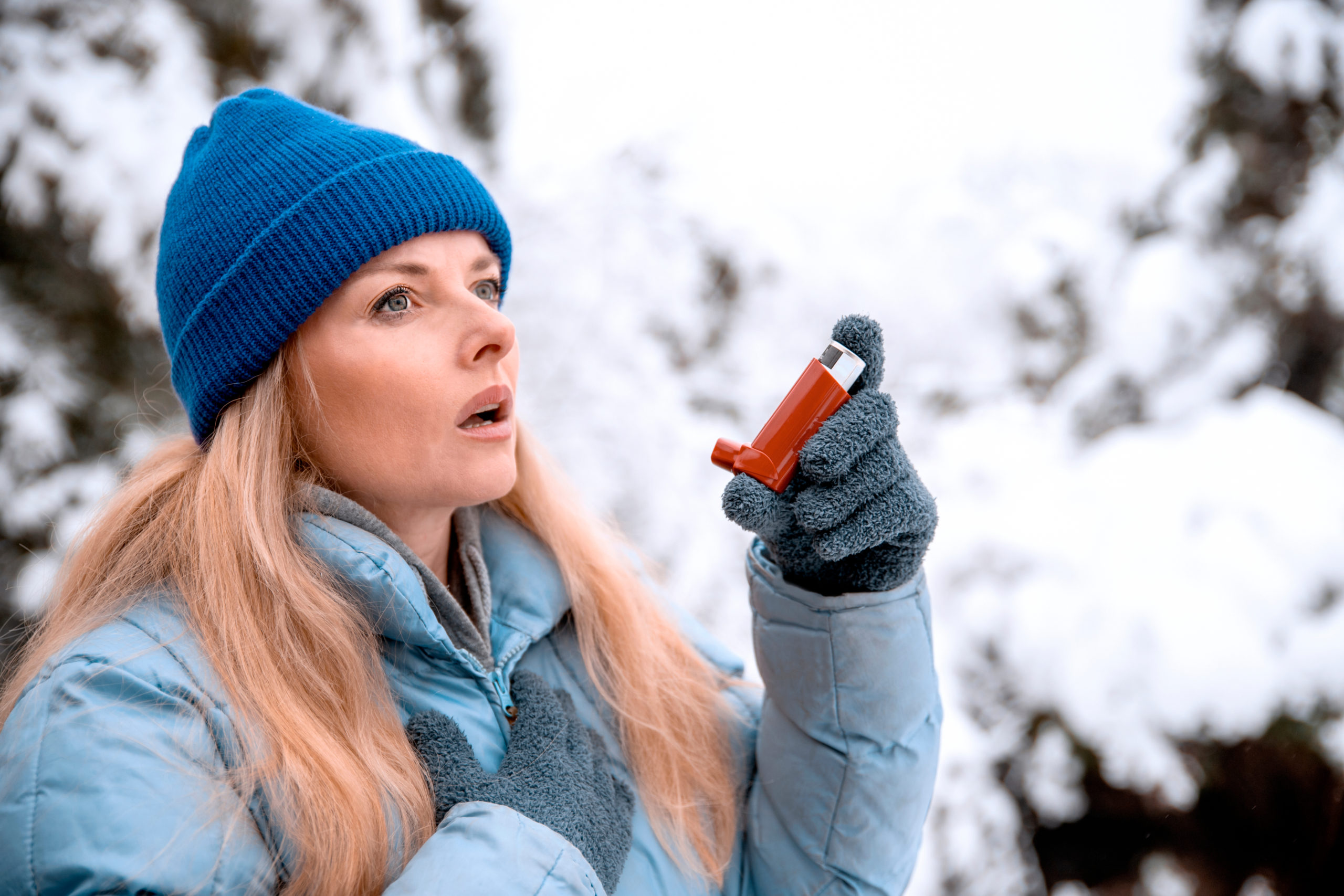
What a winter we have had! Many children have seen heavy snow fall for the
first time and London was completely immobilised due to the weather. At the
same time our hospitals have been battling to cope with patients suffering with
respiratory infections and exacerbations of their COPD. GP practices have been
stretched to the limit to cope with the additional burden of coughs and colds.
Building capacity is a real problem for everyone working in the health service and
patients’ demands and expectations continue to grow.
Editorial: Winter
You may have thought you were safe from dire warnings about global warming in the pages of BJPCN. But hayfever is one of the themes of this issue and the mild winter has meant that some people suffered symptoms much earlier than usual as pollens which can trigger allergic reactions were found in the air as early as January.
Editorial: Spring
Was it me? Did I blink and miss the spring? There I was, trying to plan my
early initiation of inhaled steroids and nasal sprays to ward off seasonal
exacerbations of allergic rhinitis and asthma but spring just doesn’t seem
to have sprung this year! It made me wonder whether the wet weather
had an influence on hay fever levels.
Editorial: London Marathon
Bless you for your support and best wishes for my fifth London Marathon that took place in
late April. My chosen charities this year (Arrhythmia Alliance, www.arrhythmiaalliance.org.uk
and Stars, http://stars.org.uk) are special for me as I have had a pacemaker for ten years. It
was a surprise to be informed that I would have a new box fitted just three weeks before the
Marathon. However those of you who know me would know that would not stop my attempt!
But there are times when even I have to admit defeat! After completing over half the course in
two hours, I decided to let my heart rule my head for once and bail out gracefully before I
collapsed from heat exhaustion! When I was overtaken by a large carrot I knew it was going
to be a real struggle!
Editorial: Giving up smoking for the New Year?
We are about to hit the festive season, but it is also a time when many
people reflect on the past year and make plans for the next – including
thinking about giving up smoking. In this issue we reflect on the impact of
the smoking ban in the UK. Hilary Wareing and Nina Gotz from the Tobacco
Control Collaborating Centre show how there have been significant benefits
in terms of air quality and increased numbers of quitters since the
smokefree legislation came into force between March 2006 and July 2007.
This has been a significant step forward in improving public health, and
provides a foundation to encourage more of your patients to quit.
Editorial: BJPCN End Of Year
As we reach the end of the year, BJPCN looks back at the challenges that
have been met in the care of patients with respiratory and allergic disease
over the past few years and looks forward to the new situations we will
have to face in the coming year. I have really enjoyed launching this
exciting journal and wish Monica Fletcher, Chief Executive of Education for Health, the very best as she takes on the editor’s role from the next issue.
Editorial Summer
Summer is here and time for a new issue of the BJPCN – packed full of
useful information and news from the respiratory and allergy world.
We cover a lot of different topics in the main articles this month – from
pleural effusions to angioedema, from asbestosis to urticaria. A scan
through the summaries of the latest research in the Evidence in Practice
section will reveal interesting studies with dogs, trees and alcohol! Have
a great read.
Editorial
It’s birthday celebrations all round. We are celebrating the 20th anniversary
of the General Practice Airways Group (GPIAG). Founded in 1987 as a small
respiratory special-interest group of six general practitioners, the GPIAG
has developed and grown into the largest primary care specialist society in
the UK. It is also coming up to the first birthday of the journal – and we are
hoping that we are giving you a useful ‘goody bag’ of ‘party gifts’ to take
back to your practice after reading this issue.
Editorial
Welcome to the first edition of 2008 and my first as Editor in Chief. I want to
thank Jan Procter-King, my predecessor, who has performed an outstanding
role and left the journal in a robust position. I would also like to thank the
members of the Editorial Board – in particular those who have left us or
joined since the last edition. Education for Health (formerly the National
Respiratory Training Centre) has a long reputation in respiratory disease and
we are delighted to be bringing this expertise to the BJPCN Editorial Board.