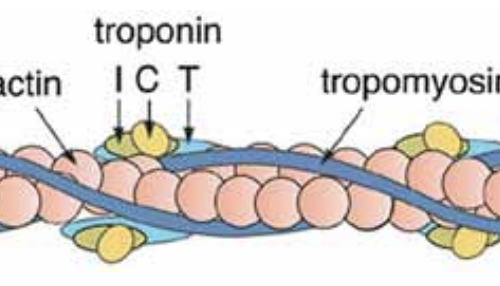
Troponins are now measured routinely in patients with acute chest pain in most hospitals in the UK. Studies have confirmed that they represent a marker of risk for subsequent cardiac events in most patients. In this article we explore what troponins are, why they may increase in acute coronary syndromes, how they are measured and how likely they are to be used in the future.
Cardiovascular risk management series: 1 The epidemiology of cardiovascular disease
Rosiglitazone: how should we be using this oral hypoglycaemic drug after studies indicating increased MI risk have resulted in changes in recommendations?
A typical case of end-stage heart failure
Electrocardiography as a prognostic tool for identifying the development of heart failure in patients with β-thalassaemia: a retrospective cohort study
Maximising healthcare benefits for individual patients and society as a whole
Where are we now with rosiglitazone? A comment from GlaxoSmithKline
A survey of GPs’ views on clinical and cost issues in prescribing statins
Statin therapy for secondary prevention of coronary heart disease: an update
Optimising use of statins in clinical practice: how to achieve the best clinical outcomes for every patient
Using troponins to assess cardiac damage: Getting to the heart of the matter
Optimising Management of Supraventricular Arrhythmias
Caring for patients with arrhythmias has evolved over the past decade as a result of technological innovation in both diagnosis and treatment. This article highlights some of the most common arrhythmias and reviews the most appropriate strategies for their medical management. The National Service Framework (NSF) for Coronary Heart Disease (CHD) sets out three quality standards in the chapter on arrhythmias and sudden cardiac death and we look at how to successfully implement these.