Chronic kidney disease (CKD) has shot up the primary care agenda over the last few years, and is now well recognised as an independent risk factor for cardiovascular disease (CVD). At the same time, CVD is a risk factor for progression of CKD. The close links between CKD and CVD mean we have to get to grips with assessing patients’ kidney function and ensuring those with CKD receive the treatment needed to prevent progression. This special issue devoted to CKD is full of step-by-step guides and illustrated articles to help you get to grips with this important condition.
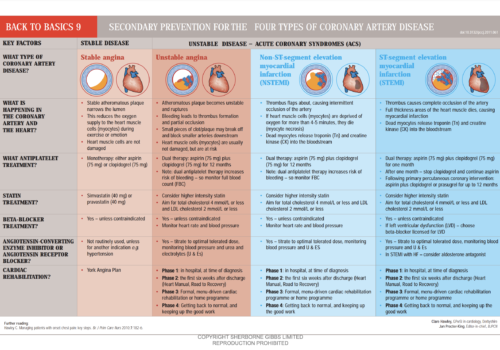
Back to Basics 9 – Secondary prevention for the four types of coronary artery disease
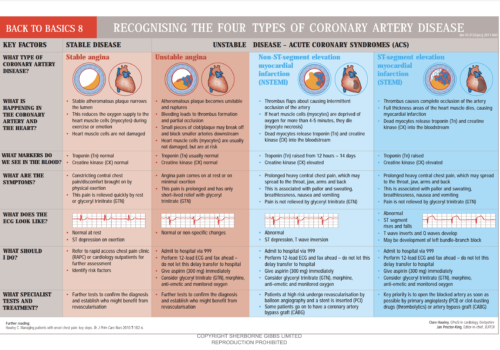
Back to Basics 8 – Recognising the four types of coronary artery disease
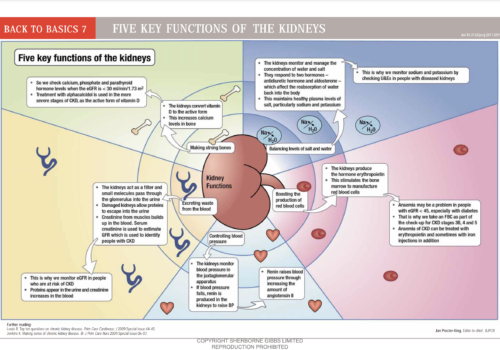
Back to Basics 7 – Five key functions of the kidneys
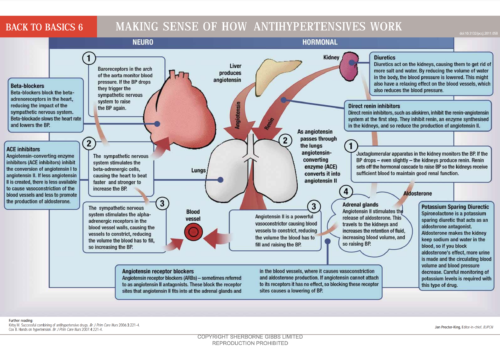
Back to Basics 6 – Making sense of how antihypertensives work
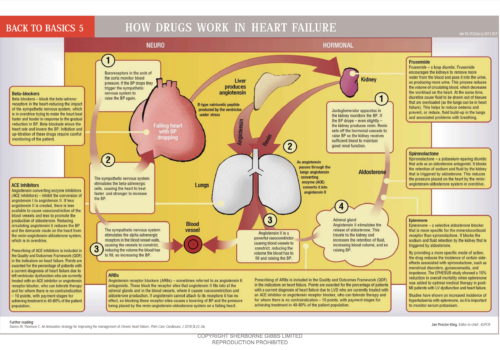
Back to Basics 5 – How drugs work in heart failure
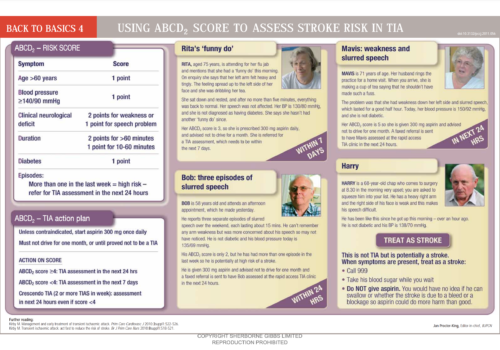
Back to Basics 4 – Using ABCD2 score to assess stroke risk in TIA
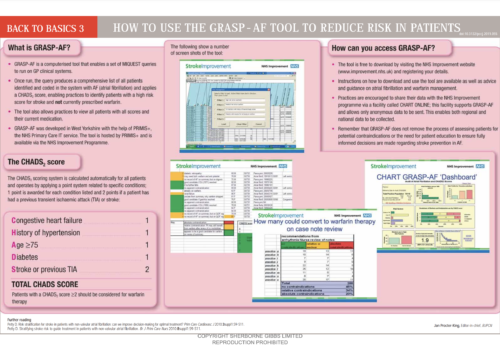
Back to Basics 3 – How to use the GRASP-AF tool to reduce risk in patients
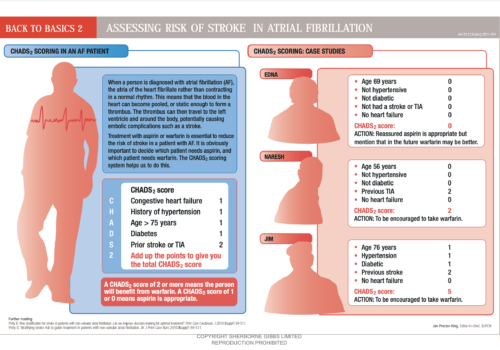
Back to Basics 2 – Assessing risk of stroke in atrial fibrillation
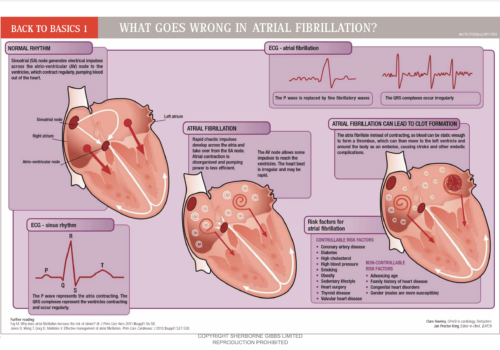
Back to Basics 1 – What goes wrong in atrial fibrillation?
Going back to basics in cardiovascular disease: Editorial
There are 28 cardiac and stroke networks in the country. They play an important part in implementation of national strategies, enabling high-quality services to be planned and delivered to patients within the framework of primary and community care.
One of the most useful contributions of the networks is provision of education and training for primary care staff. The “Back to Basics” material in this supplement forms the backbone of what is presented at study days. The articles cover some of the most common cardiovascular conditions that are seen in primary care, showing clearly what causes the symptoms, how best to assessand manage patients, and how the treatments actually work. They help healthcare workers both to understand these conditions and to explain them to patients, and therefore really improve patient care.
Going back to basics in cardiovascular disease: Editorial 2
Cardiac and stroke networks enable change and support the implementation of national strategies, such as the National Stroke Strategy which was published in 2007. There are 28 cardiac and stroke networks in the country: they play a fundamental role in bringing together commissioners, providers and patients to plan and deliver high-quality services for their populations.