Pelvic organ prolapse is common, affecting about one third of women during their lives. Most women are asymptomatic, but prolapse can be serious enough to need referral for surgery. The good news is that vaginal ring pessaries can improve prolapse symptoms and restore quality of life for most women seeking help from their GP or practice nurse.
Emergency contraception: the right choice at the right time
Until recently, there were two options for emergency contraception after unprotected sex or contraceptive failure: an oral progestogen-only tablet, and the copper-containing intrauterine device. These have now been joined by a new oral method, and this article reviews the three options in light of changing guidance on emergency contraception.
Editorial
For anyone working in the NHS, it has been a tumultuous few months. We were all gearing up to the establishment of GP consortia by 2013. Now the pace of change has slowed following the Government’s acceptance of the NHS Future Forum’s recommendations. This gives us all time to pause and remember that meeting the needs of our patients should be our first priority, and that this depends critically on the knowledge and skills of all NHS professionals.
Dealing with sexual assault in primary care
Sexual assault is common. All sections of society are affected, and victims may be men, women or children. Patients attending primary care may have no intention of reporting their assault to the police. But a trusted GP or practice nurse can ensure that victims receive appropriate specialist care through local Sexual Assault Referral Centres (SARCs).
Cervical screening: time for HPV testing
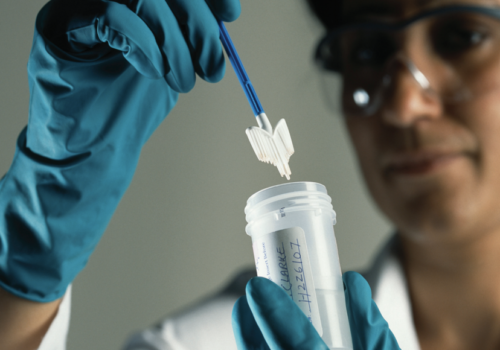
The NHS Cervical Screening Programme is universally lauded as a success story, preventing an estimated 2,000 deaths a year from cervical cancer in the UK. The programme continues to be refined in light of new evidence, and the latest development is the introduction of human papilloma virus (HPV) testing alongside cytology.
The ultimate cholesterol-lowering plan – part 2
Part 1 explained how powerful a diet can be in lowering low density lipoprotein-cholesterol (LDL-C) and reducing cardiovascular risk published in BJPCN 2011;8:36-8. Part 2 will focus on the practical step-by-step approach of the Ultimate Cholesterol-Lowering Plan (UCLP) by introducing an alternative consultation technique and detailing the core food elements of the UCLP.1-7 The UCLP includes a number of key strategies each scientifically proven to provide a dose-response effect to cholesterol reduction or cardiovascular risk.
Caring for your diabetes during Ramadan
Fasting during Ramadan means that you have longer gaps between meals than usual. Many people also eat more food in one meal – in particular, more carbohydrate-rich and fatty foods – during this time. If you have diabetes, this may mean that you have large swings in your blood sugar levels during Ramadan. During the day – when you are fasting – your blood sugar is likely to drop. This may make you feel weak, tired and dizzy. This is called hypoglycaemia (which means low sugar) – a period of hypoglycaemia is sometimes called a ‘hypo.’ People who are sick or whose health may be adversely affected by fasting – such as those with diabetes – do not have to fast during Ramadan. However, some people do decide to observe the fast. This leaflet gives you some tips on how to keep well.
American College of Cardiology Annual Scientific Sessions
Preventing and treating bone disorders in chronic kidney disease
Chronic kidney disease mineral and bone disorders (CKD-MBD) is a slowly progressive complication of CKD occurring over many years. The kidneys are unable to maintain normal levels of calcium and phosphate and respond to the hormones needed to maintain healthy bones. CKD–MBD is a common problem in people with stage 3 CKD onwards and affects almost all patients receiving dialysis. This article explains why renal bone disease occurs, the problems it can cause for patients affected and provides practical tips on how to identify people at risk and management options.
Moving stroke prevention up the healthcare agenda
“There are lots of really powerful examples around o f things we can do to improve quality while improving productivity”
This statement from Sir David Nicholson, the NHS Chief Executive, appears on the NHS Evidence website, where the recognition and optimal treatment of atrial fibrillation (AF) is given as one of the top six Quality, Innovation, Productivity and Prevention (QIPP) examples from across the entire NHS.
Transient ischaemic attack: act fast to reduce the risk of stroke
The White Paper, Saving lives: our healthier nation (1999), set out a target to reduce the death rate from coronary heart disease and related illnesses such as stroke by 40% in the under-75s by 2010; recent trends indicate that this target will be met. Although the past forty years have seen a significant reduction in age-standardised stroke mortality rates, stroke still accounts for around 53,000 deaths each year in the UK, with more than 9,500 of these occurring in the under-75s. This article reviews how we might reduce the huge burden of stroke by improving the management of transient ischaemic attack (TIA).