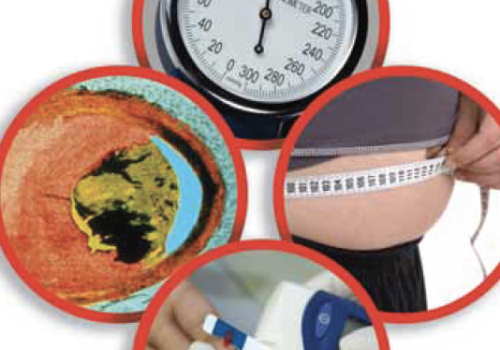
The metabolic syndrome is a bit like smoothie makers. Everyone’s heard of them, many people seem to have them, but no-one is quite sure what to do with them. So let’s have a look at how the metabolic syndrome came to enter our vocabulary, what it really means and whether it is something that could help us to look after our patients better or just another cumbersome tool that produces a lot of heat but no light.
Cardiovascular risk management series: 1 The epidemiology of cardiovascular disease
Rosiglitazone: how should we be using this oral hypoglycaemic drug after studies indicating increased MI risk have resulted in changes in recommendations?
A typical case of end-stage heart failure
Electrocardiography as a prognostic tool for identifying the development of heart failure in patients with β-thalassaemia: a retrospective cohort study
Maximising healthcare benefits for individual patients and society as a whole
Where are we now with rosiglitazone? A comment from GlaxoSmithKline
A survey of GPs’ views on clinical and cost issues in prescribing statins
Statin therapy for secondary prevention of coronary heart disease: an update
Optimising use of statins in clinical practice: how to achieve the best clinical outcomes for every patient
The Metabolic Syndrome: Pie in the Sky or Major New Disease?
Procoralan (Ivabradine): A New Treatment Option for Angina

Angina is on the increase as people live longer. It is the most common symptom of ischaemic heart disease and occurs when the arteries are no longer able to supply the heart with enough blood to meet its demands. Treatment aims to restore the balance between oxygen supply and demand, to relieve the pain as quickly as possible and prevent further angina attacks, to treat the risk factors, limit the progression of coronary artery disease and reduce the risk of a heart attack. Procoralan (ivabradine) works by specifically inhibiting the If or ‘funny’ channel in the sinoatrial node of the heart (also known as the cardiac pacemaker) to reduce the resting heart rate, matching the efficacy of beta-blockers without their side-effects.