This resource is fully searchable using the search box at the top of the page, or to narrow down your selection using filters click on 'Knowledge hub' in the main navigation.
Here you will find:

More than 500 articles especially written by colleagues to support your care of patients with the cardiovascular diseases commonly seen in primary care.
Articles on the diagnosis and treatment of patients with cardiovascular conditions such as:
…and more.
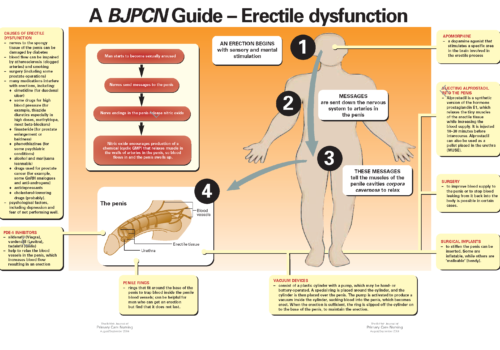
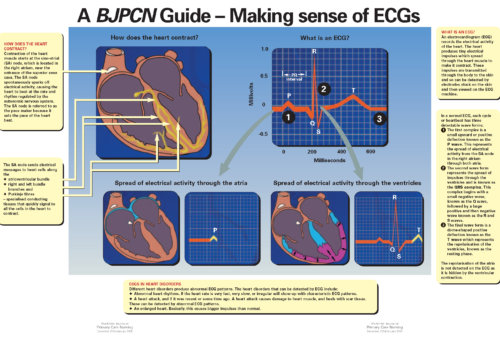
Simple and informative infographics which will answer questions such as “How do these drugs work?”, “What causes this heart condition?” and much more.
The Primary Care Training Centre (PCTC) was set up eight years ago with the aim of providing practical, evidence-based training for primary care health professionals. It was started in response to requests from primary care professionals who were concerned that there was no training specifically for them, particularly on the important subjects of diabetes and coronary heart disease prevention. Existing courses sometimes failed to fully understand the primary care situation.
The very good audit data for this practice has led to its winning awards. So how does the practice do it? This ‘day in the life of’ photo diary gives a step-by-step guide to the key elements of running a successful cardiovascular clinic in general practice.
As practice nurses take on a growing role in the organisation and implementation of chronic disease management, they need more help in many of the routine – but important – tasks this involves. Health care assistants (HCAs) are providing growing support in this capacity. This article explores what HCAs are taking on and issues regarding their training and regulation.
Angina is a common problem in primary care, affecting around one in every six patients aged 65 years and over. It ispredominantly chest pain due to transient myocardial ischaemia caused by coronary artery disease. Episodes of angina are typically caused by exertion or emotion, and are relieved by rest. Treatment with drugs and/or surgery that improves blood flow to the heart and lifestyle changes can significantly improve patients’ quality of life and survival.
Atrial fibrillation (AF) is one of those terms that we are hearing more and more in general practice. It is an important risk factor for stroke – particularly in older people – making it a good candidate for primary care teams to target in efforts to prevent cardiovascular disease.
The aim of the National Primary Care Development Team (NPDT) is to develop healthcare professionals who have the knowledge and skills to apply quality improvement methods to local priorities. CHD is one such priority and has been within the focus of our work for almost four years. Working in partnership with other agencies who share our priorities is essential. Janet Potts, who leads on the work of the NPDT in West Yorkshire, joined forces with Adele Graham from the CHD Collaborative in West Yorkshire, to give the strongest possible support to local primary healthcare professionals. The CHD register ‘recipe’ was devised by this partnership.
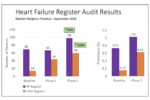
Managing heart failure effectively in the community Community-based nurses are at the forefront of vigorous efforts to improve the management of coronary heart disease. The Coronary Heart Disease Collaborative is spearheading 30 projects around the country to find practical ways forward. This issue reviews how Durham Dales PCT has brought the management of heart failure firmly back into primary care, with up-to-date registers of heart failure patients and regular clinics in the community.
This article considers a possible scenario in primary care in which a patient presents with chest pain. Test yourself to see what you would do. Then check this against our recommendations, reflecting on your current procedures and policies within your practice.
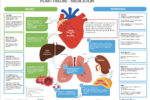
Heart failure is a high priority in primary care, with the National Service Framework for Coronary Heart Disease, the NICE Heart Failure Guidance, and the new General Medical Services contract quality indicators all setting clear standards for improving the management of patients with this increasingly common condition. This four-page pull-out supplement provides you with a need-to-know, need-to-keep guide.
A unique new e-platform for primary care
For healthcare professionals in countries with applicable health authority product registrations. The content may not be approved for use in your specific region or country. Please review the applicable product labelling for your country for indications and instructions prior to use. If not approved, please exit this site.
We use cookies to ensure that we give you the best experience on our website.
By continuing to this site you are confirming that you are a healthcare professional and are opting into the use of cookies.